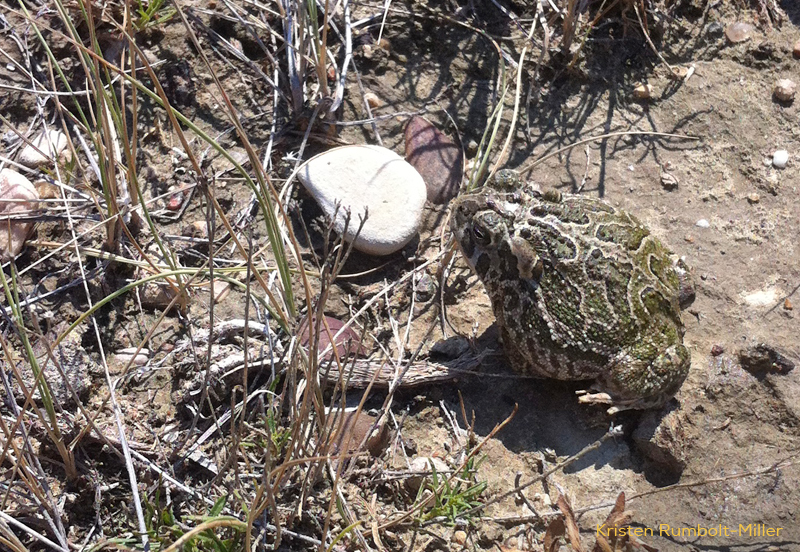
Status in Alberta: Species of Special Concern (May be at Risk)
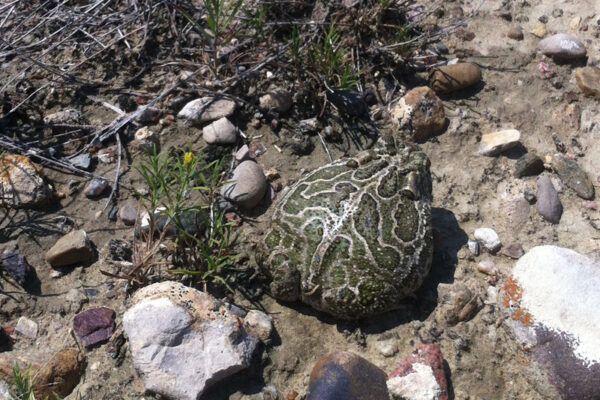
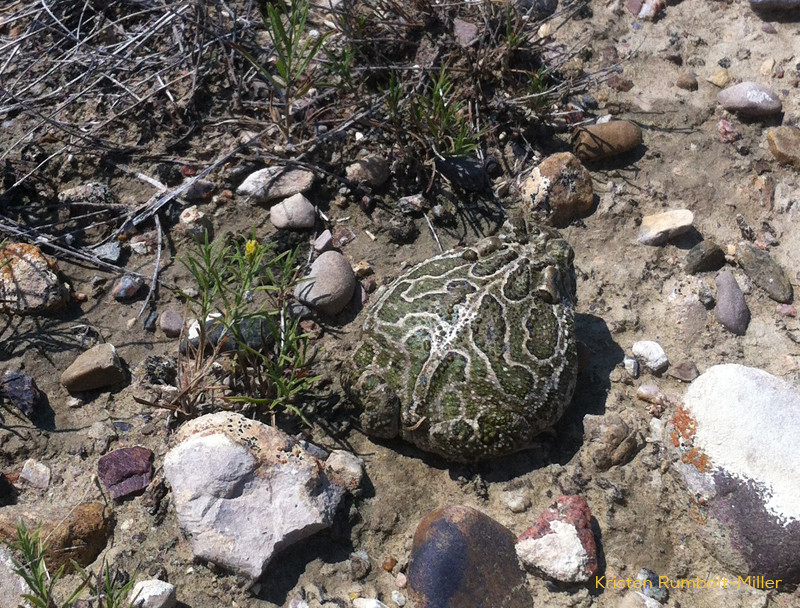
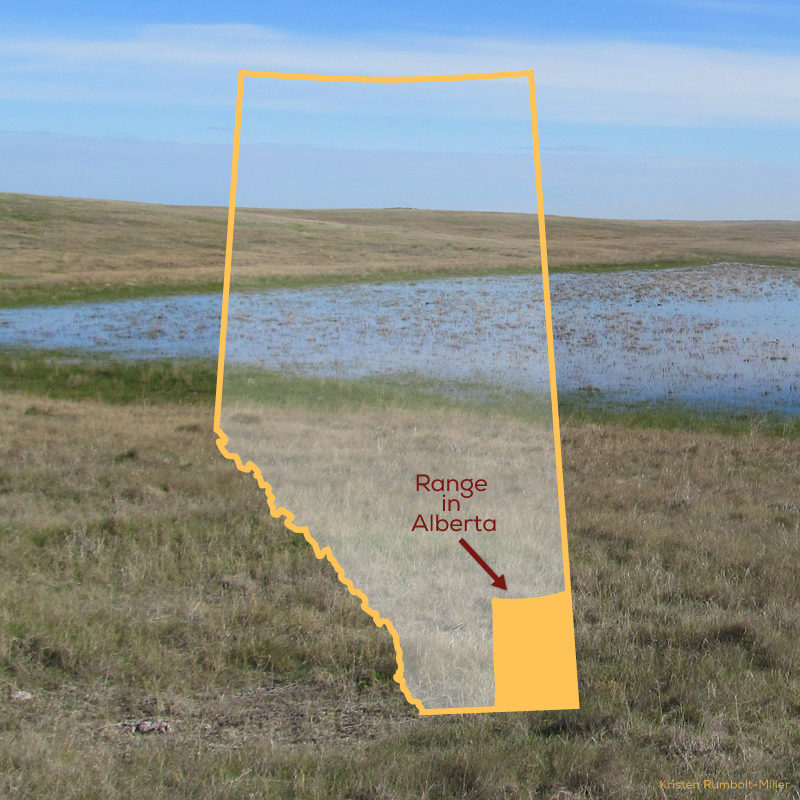
Forage and hibernate in native grasslands with loose soil. Breed mainly in temporary ponds, but also in permanent ponds, ditches and other flooded areas.
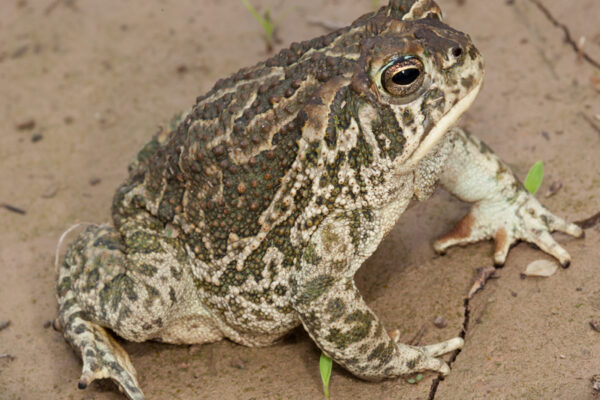
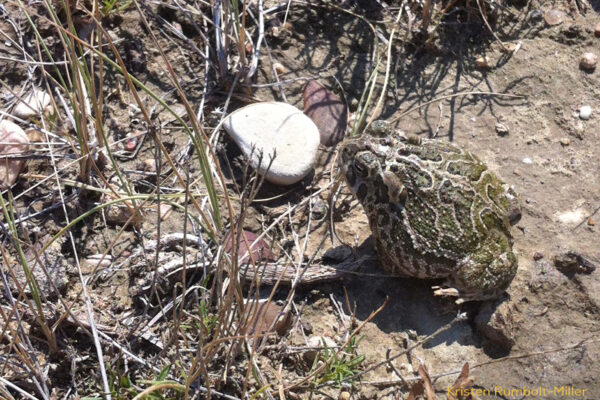
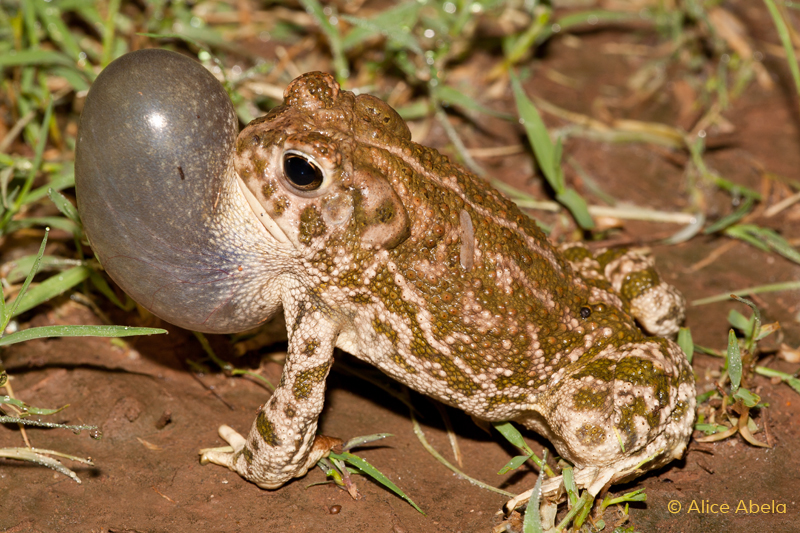
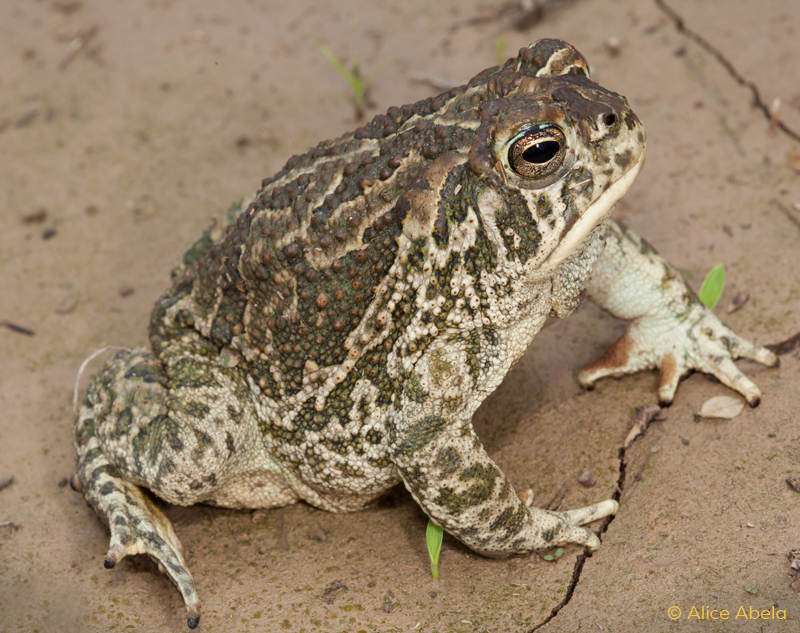
Great Plains Toads can be identified by their distinctive cranial crests.
These large toads are not easy to find, but if you see one, they can be identified by their distinctive L-shaped ridges or “bumps” behind each eye that join in the center of their head.
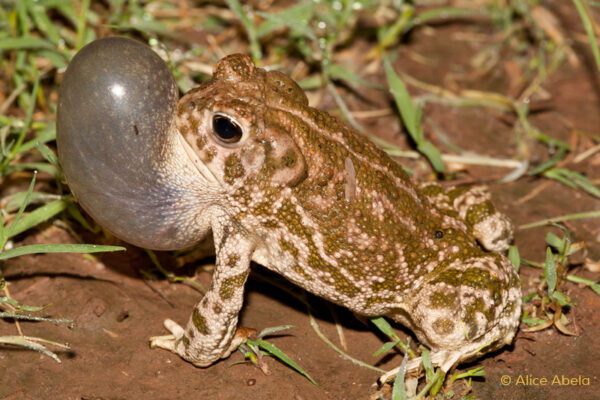
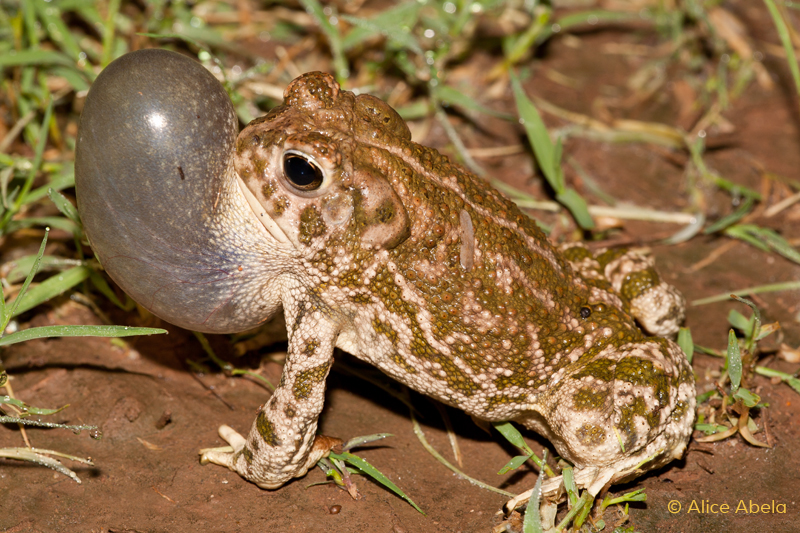
When large numbers of males are all calling together, their harsh jackhammer-like calls can be heard for several kilometers across the prairies.
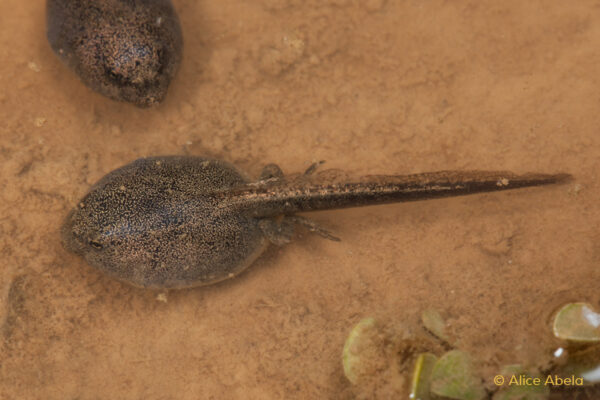
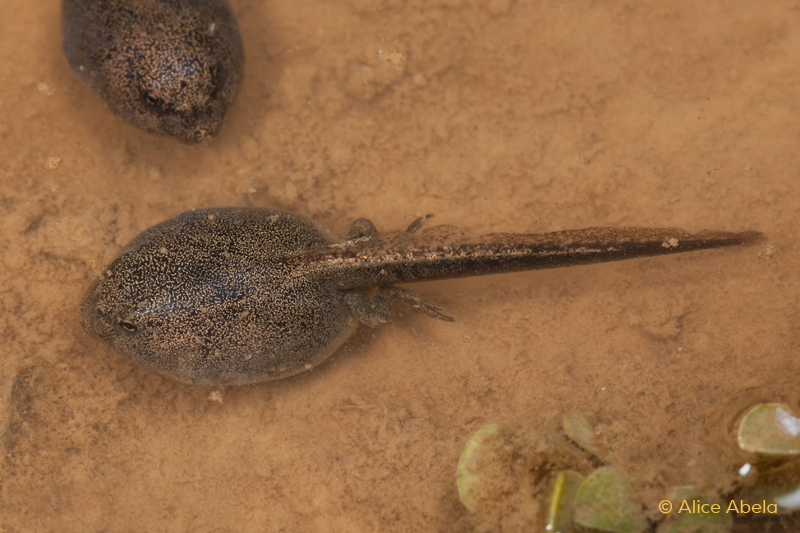
Great Plains Toads are particular about which ponds they will breed in, preferring those with clean and clear water. A large female toad can lay up to 40,000 eggs at once. This high productivity helps the population to get through dry years when their ponds are empty and no breeding occurs.
Being largely nocturnal, Great Plains Toads burrow underground during hot days and feed at night. In winter they burrow deeply enough to stay below the frost line. They burrow backwards by inflating themselves and using their hind feet as a spade to move soil.
The population of Great Plains Toads is scattered and isolated in Alberta, with low densities and numbers that vary from year to year, depending on weather conditions. In wet years, they become more abundant, but there is little to no reproduction in dry years.
Test your knowledge about Alberta’s grassland species at risk
© 2026 Multisar. All Rights Reserved