Status in Alberta: Species of Special Concern (Sensitive)
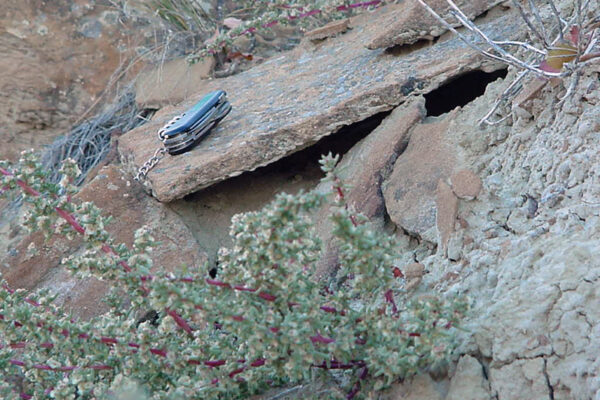
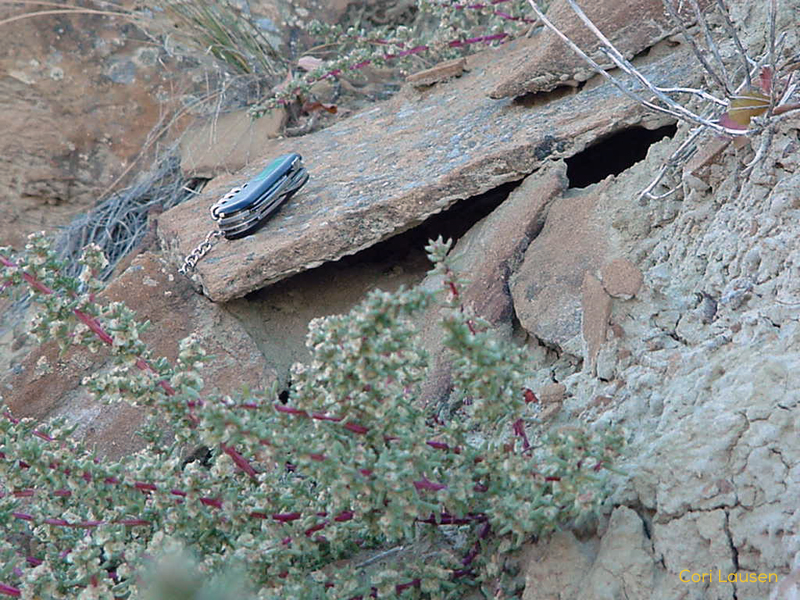
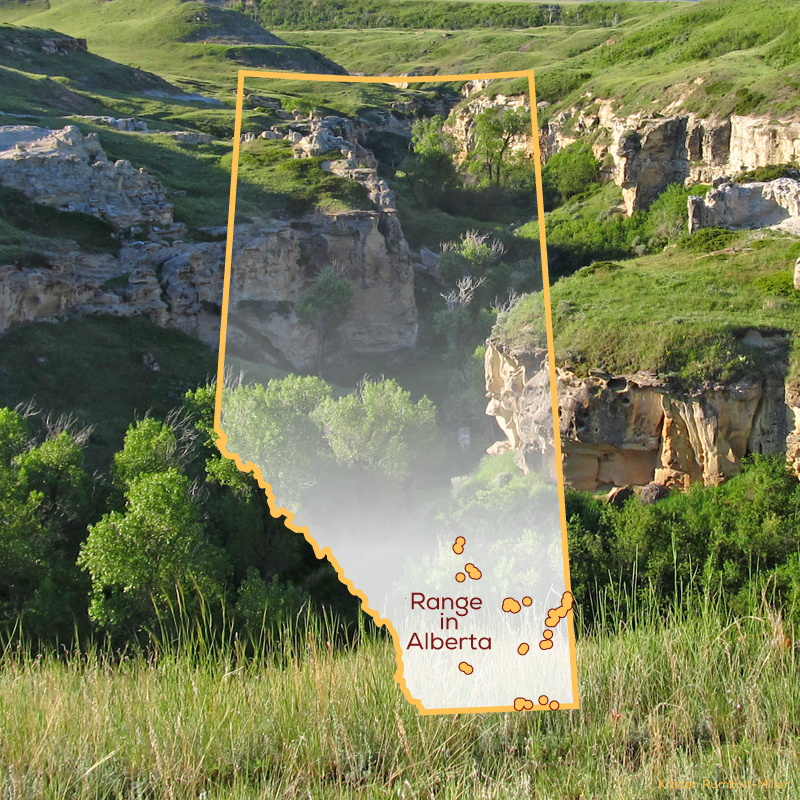
Roosts in crevices in cliffs, badlands and clay banks. Forages in riparian cottonwood stands along prairie rivers.
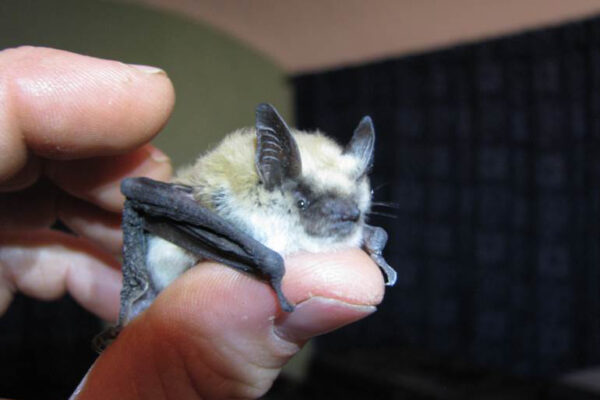
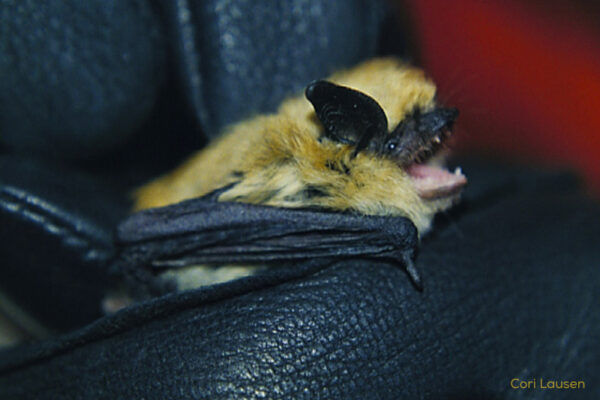
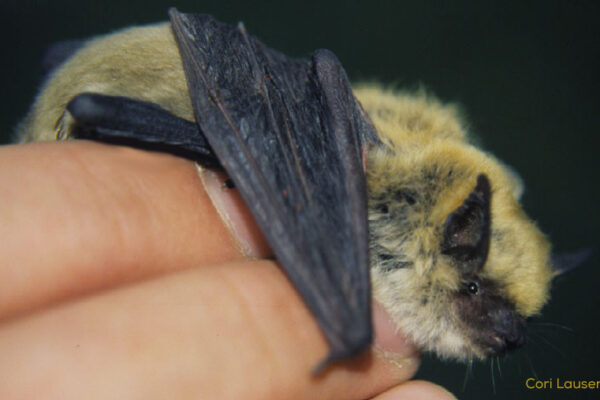
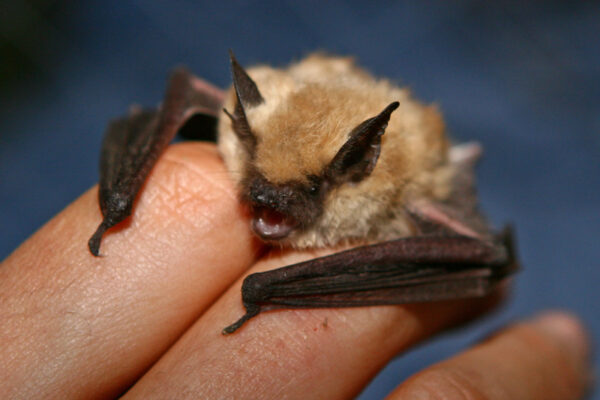
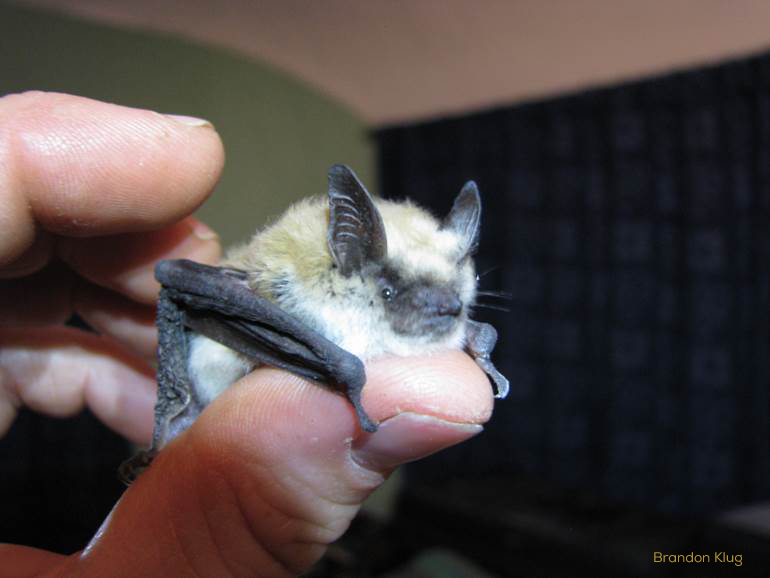
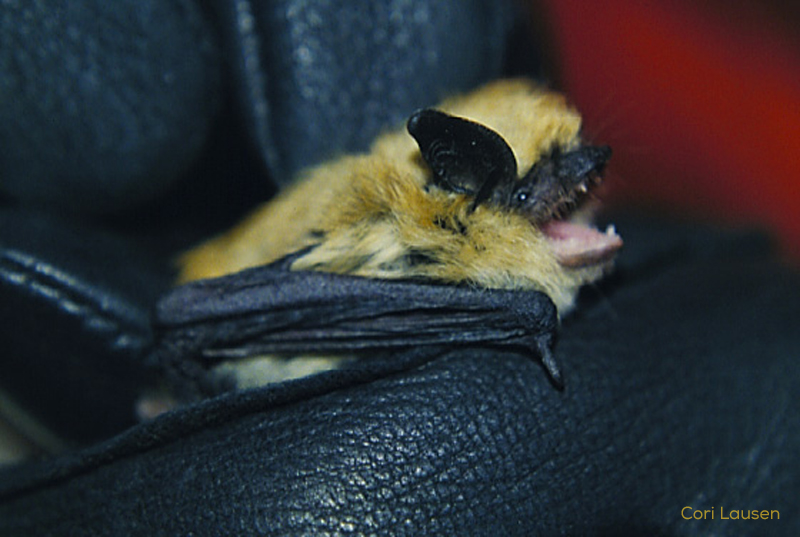
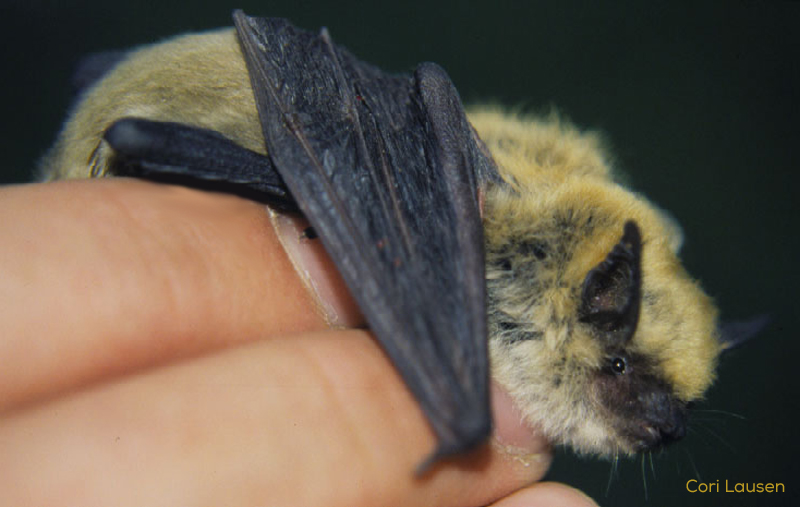
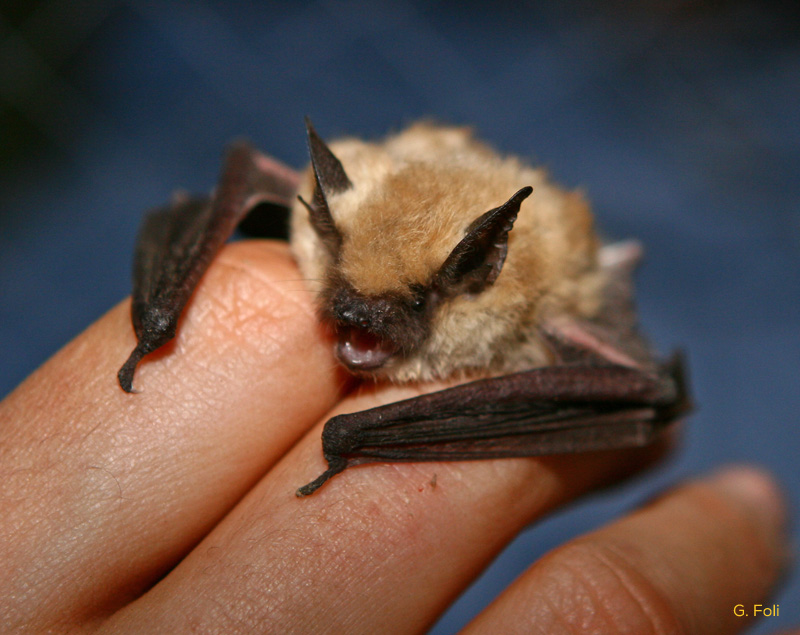
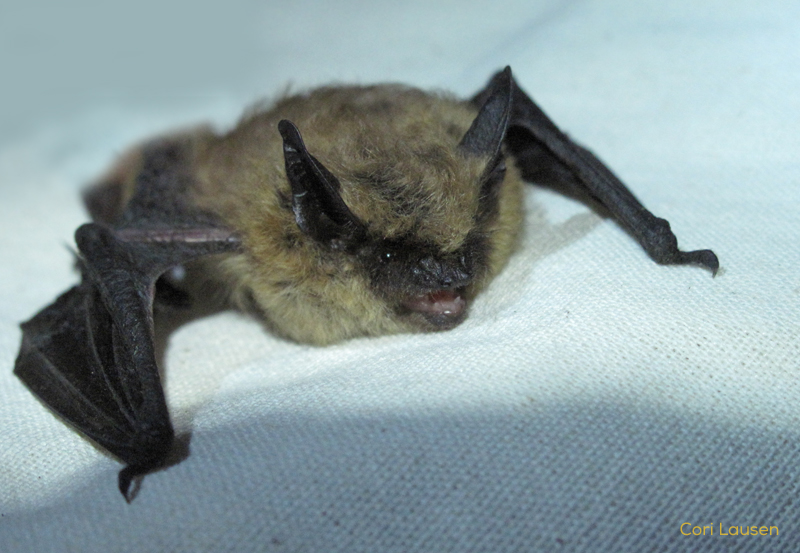
The Western Small-footed Bat is Alberta’s smallest bat, at only 85 mm long (about the length of a credit card). As its name suggests, it also has tiny feet. That feature, along with its pale colour, can be used to distinguish it from the Little Brown Bat (although the latter can be pale in southern Alberta).
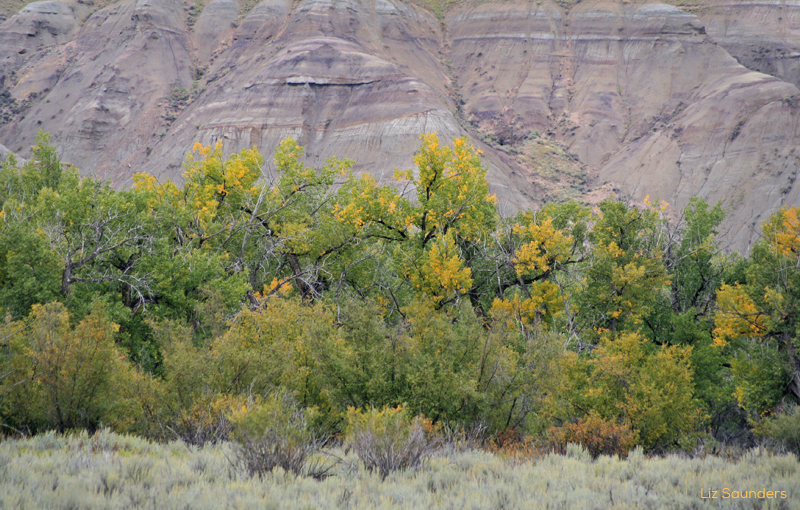
Western small-footed bats live in river valleys where there are cliffs, banks or badlands in which to over-winter.
Western Small-footed Bats are found only along prairie river valleys flanked by badlands, cliffs or banks. They use deep frost-free crevices for hibernating and warm, shallow crevices for raising their young. They feed in and around cottonwood forests found along rivers and therefore only occur where these two habitats are found in close proximity.
During the day, Small-footed Bats tend to roost alone or in small groups of closely related individuals. Reproductive rates are very low, as females do not breed every year and only produce one offspring when they do.
Western Small-footed Bats don’t venture far from home. They mate and hibernate in the same river system that they were born in and return to their natal areas in the summer to roost close to their relatives.
Western Small-footed bats are locally common, where their two habitat requirements meet in close proximity. However, their low reproductive rate and reliance on very specific habitats makes them vulnerable to population declines.
Test your knowledge about Alberta’s grassland species at risk
© 2026 Multisar. All Rights Reserved