Status in Alberta: Special Concern (At Risk)
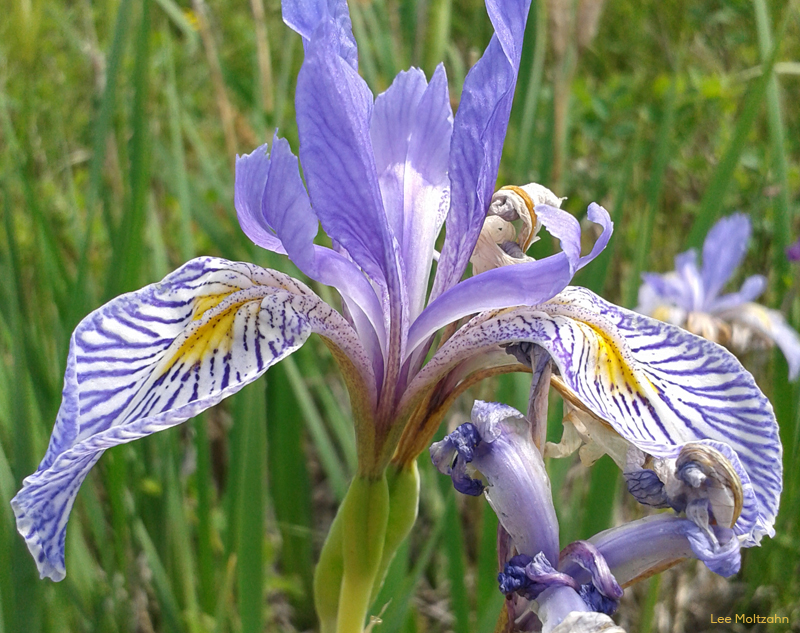
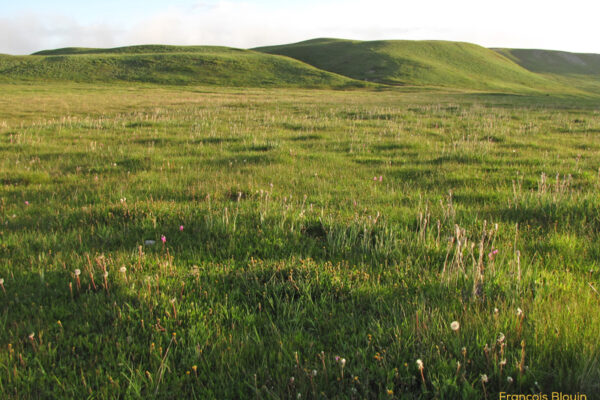
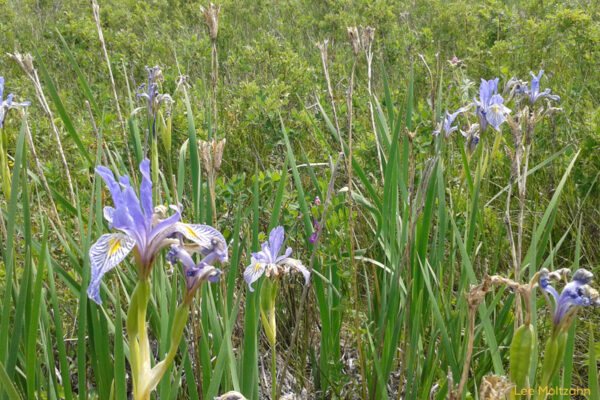
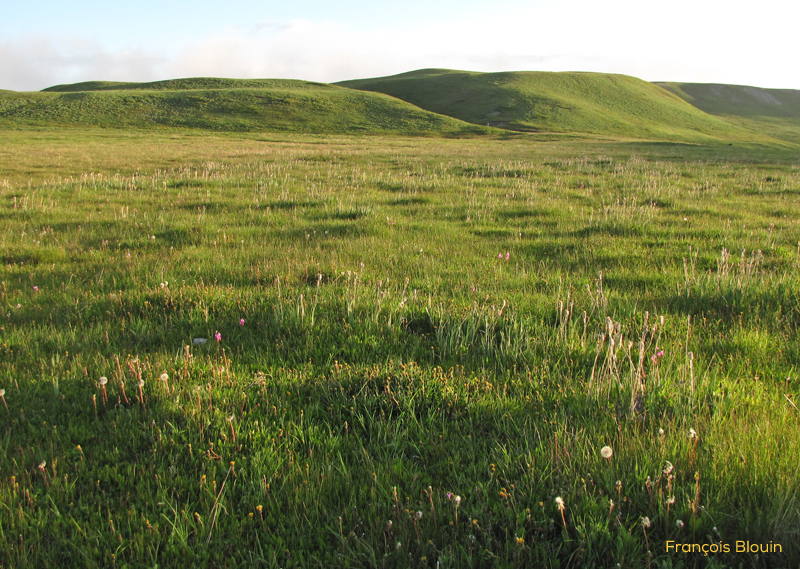
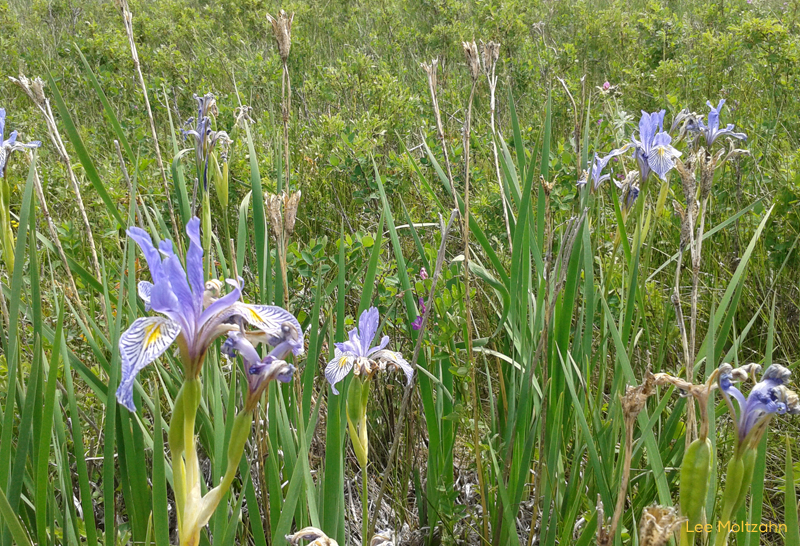
Moist, level ground in wet meadows, springs and small creeks in the foothills.
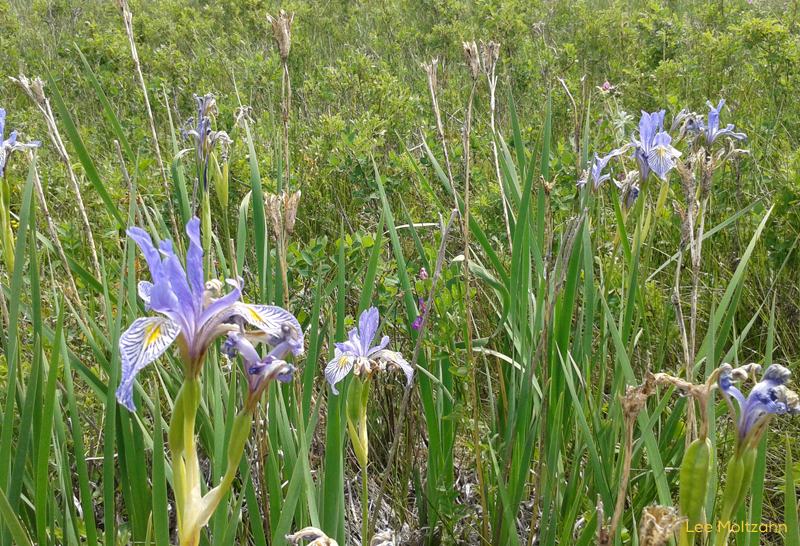
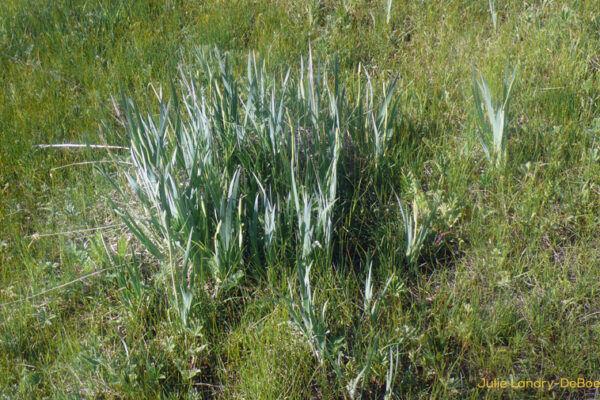
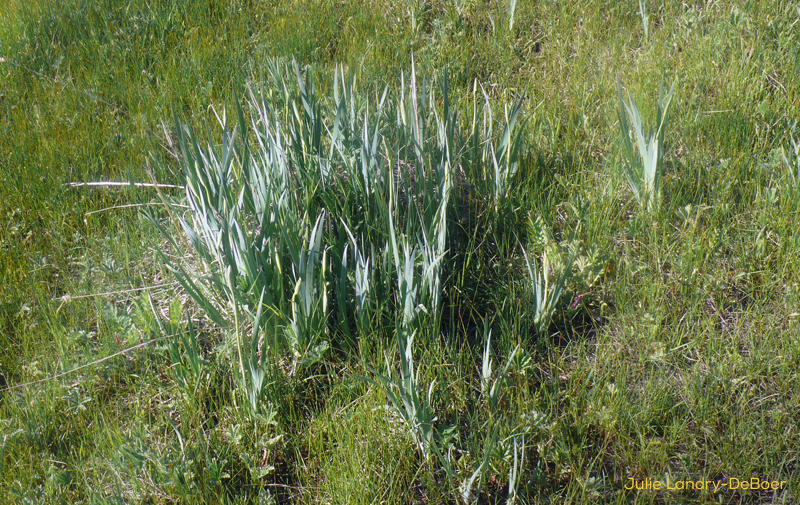
Western blue flag spreads via its root system, as well as by seeds.
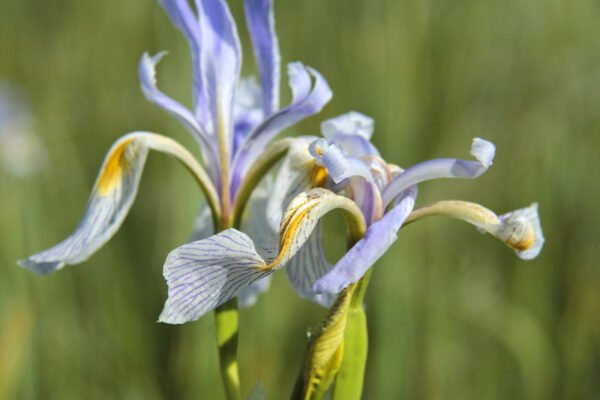
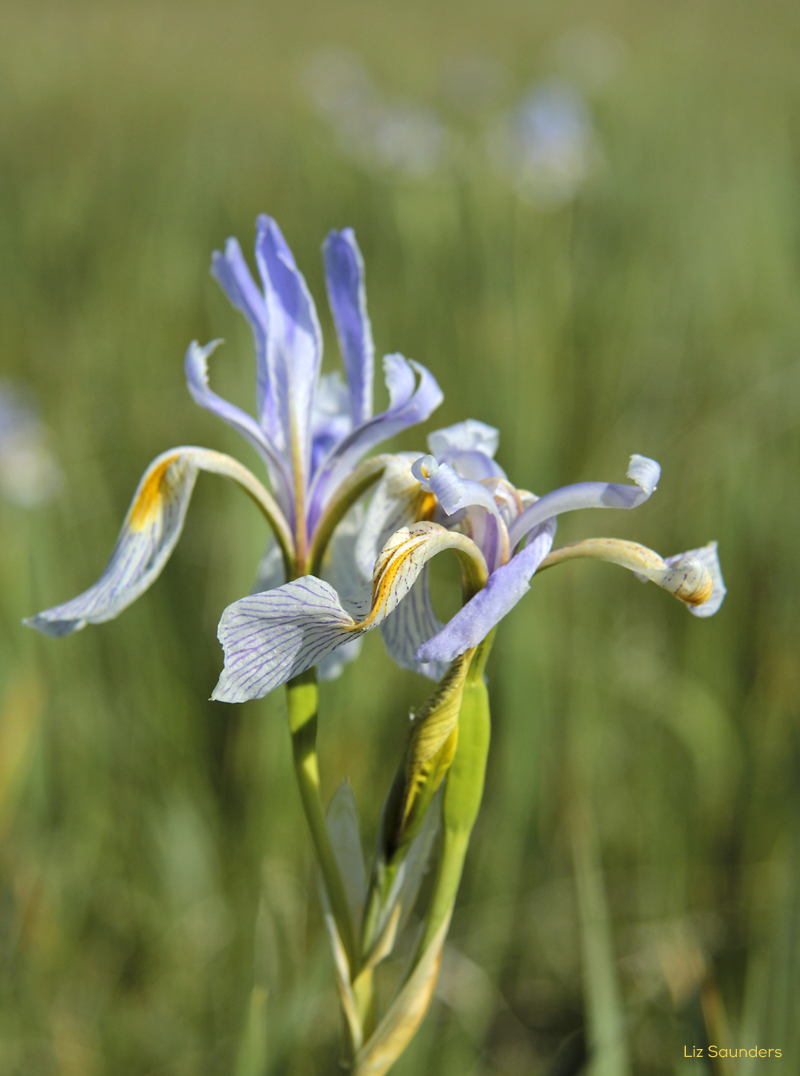
Western Blue Flag is the only species of Iris found in Alberta. They are similar to the domestic irises grown in gardens, with large showy flowers and spreading tuberous roots, although Blue Flag does not have the “beard” that many of the domestic varieties have.
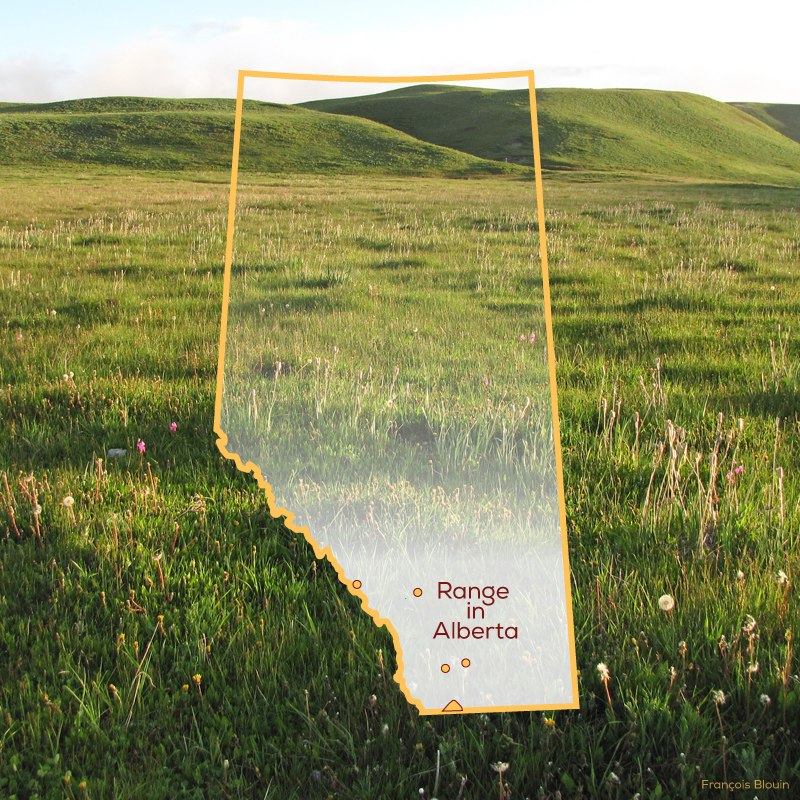
In Alberta, Blue Flag is at the northern limit of its North American range. It is confined primarily to a narrow strip of land just north of the US border and a handful of other small sites in southern Alberta.
Western Blue Flag is a perennial long-lived plant. It reproduces by thick roots that spread and also by seeds. Seedlings take two to three years before producing flowers that are pollinated by insects.
In 2010, there were ten sites where Western Blue Flag occurred naturally in Alberta. A count of between 110,000 and 120,000 stems was estimated across these sites. Populations fluctuate from year to year, depending on moisture conditions, but surveys suggest that numbers are relatively stable.
Test your knowledge about Alberta’s grassland species at risk
© 2026 Multisar. All Rights Reserved