Status in Alberta: Secure
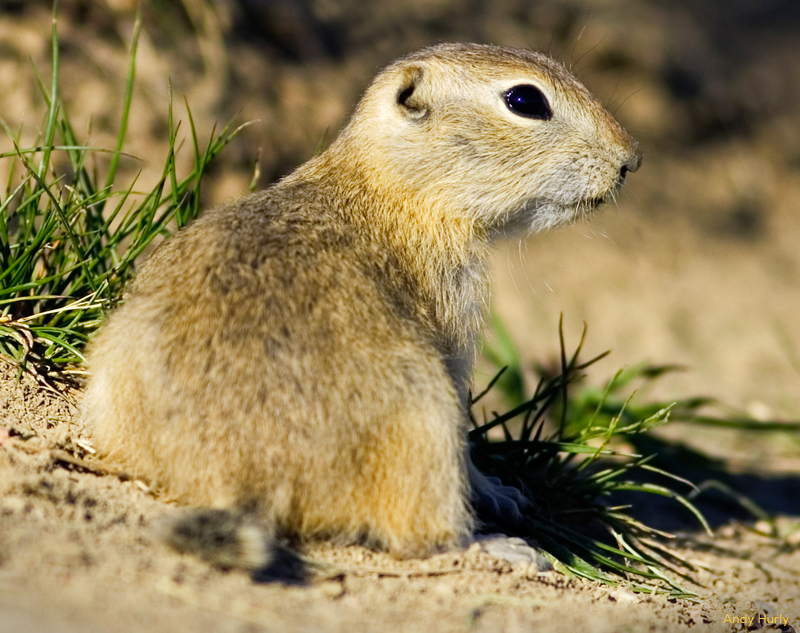
Dry, flat grasslands with short vegetation and human-modified habitats with short grass.
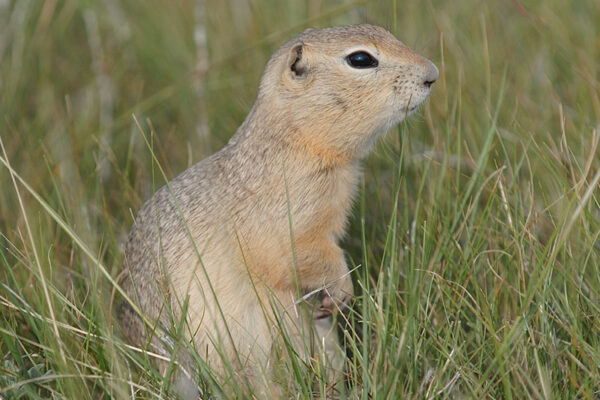
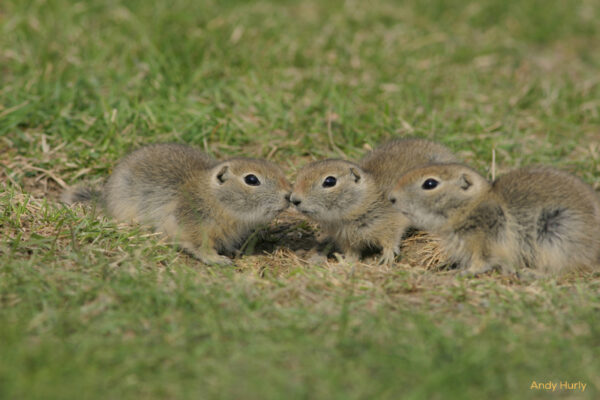
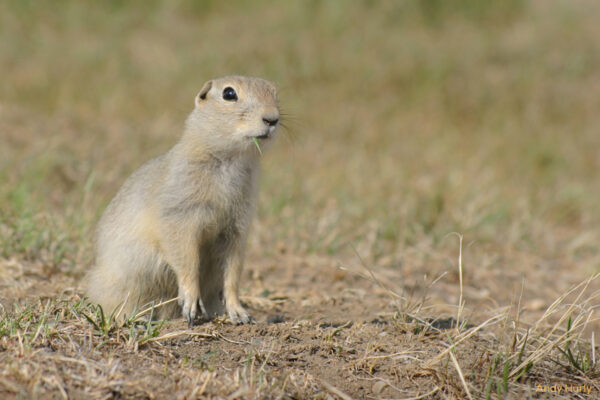
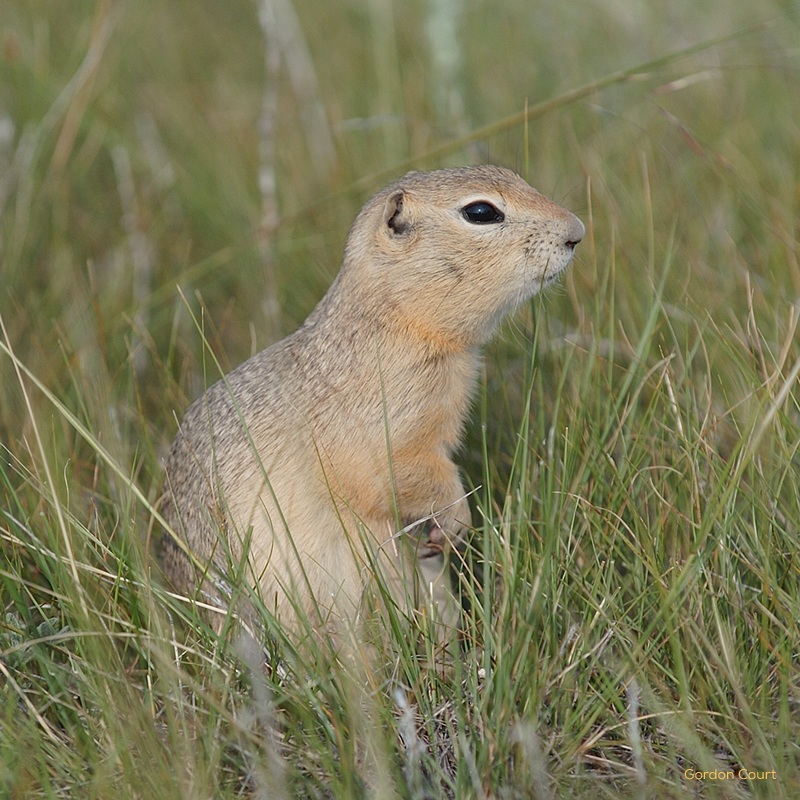
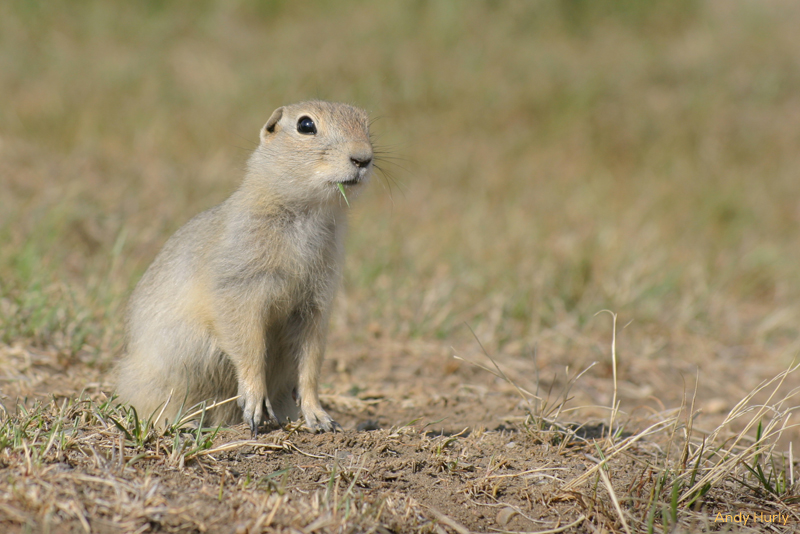
While “Richardson’s Ground Squirrel” is the proper name for these prairie rodents, many people refer to them fondly (or perhaps not so fondly) as “gophers”. True gophers, such as Alberta’s Northern Pocket Gopher, are quite different animals which spend almost 100% of their life underground.
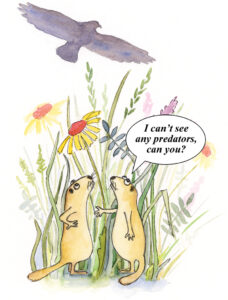
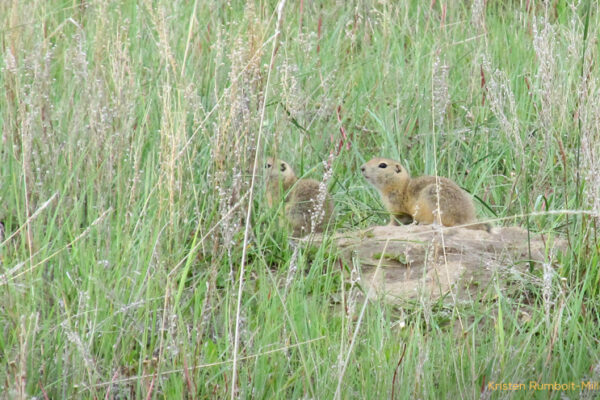
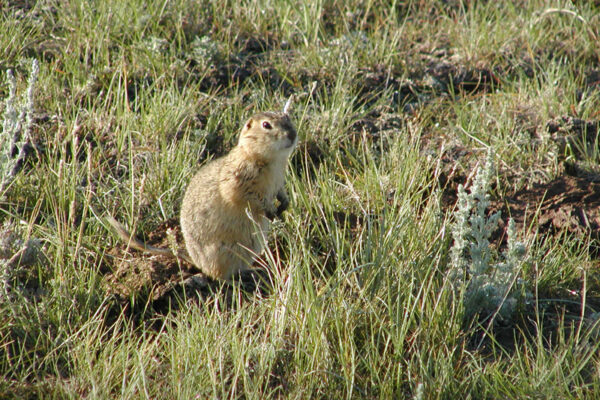
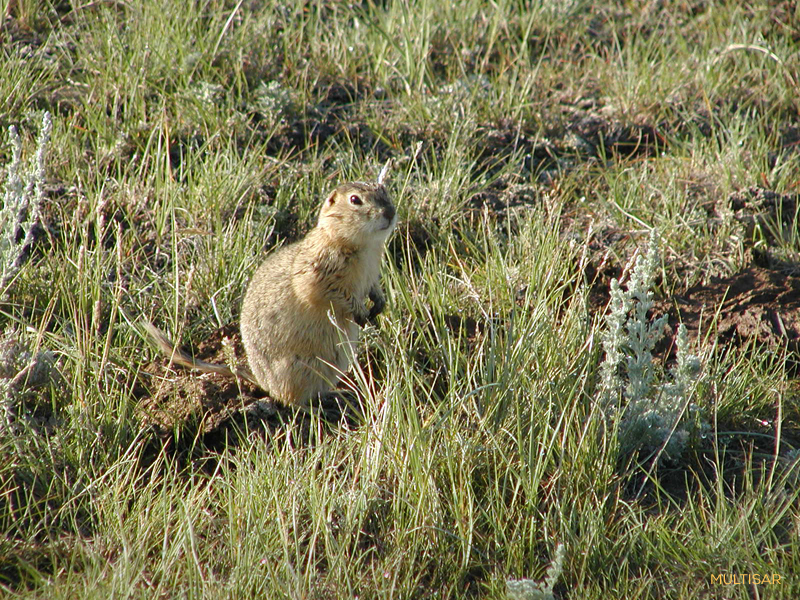
Richardson’s ground squirrels prefer to live in areas of short grass so that they can see predators approaching.
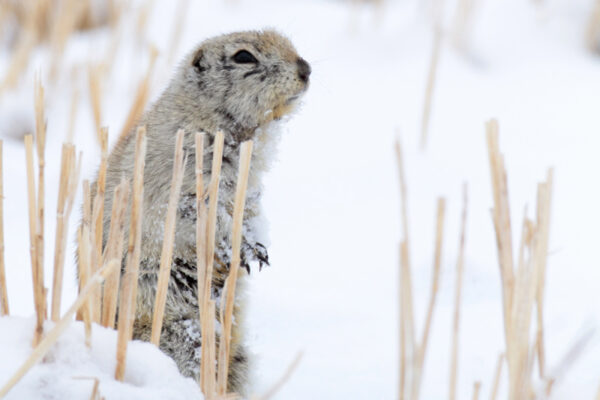
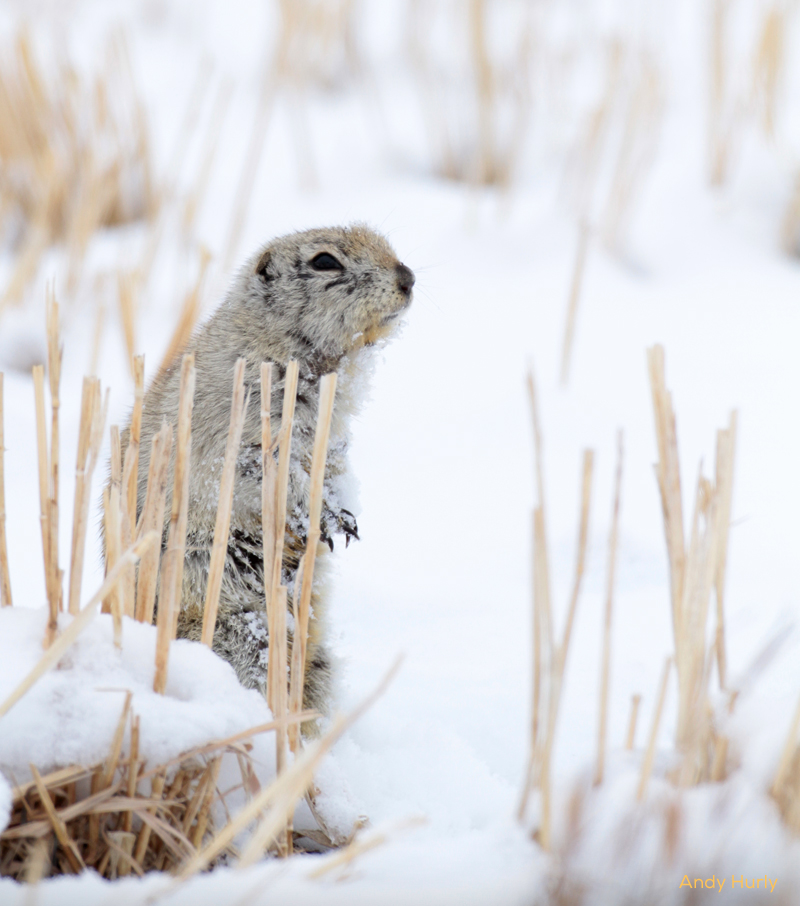
At times it may seem that there are ground squirrels everywhere, but they only spend about 15% of their life above ground. Adult squirrels hibernate for 7 – 8 months of the year. Even when they are not hibernating, they spend all night and considerable parts of the day in their burrows.
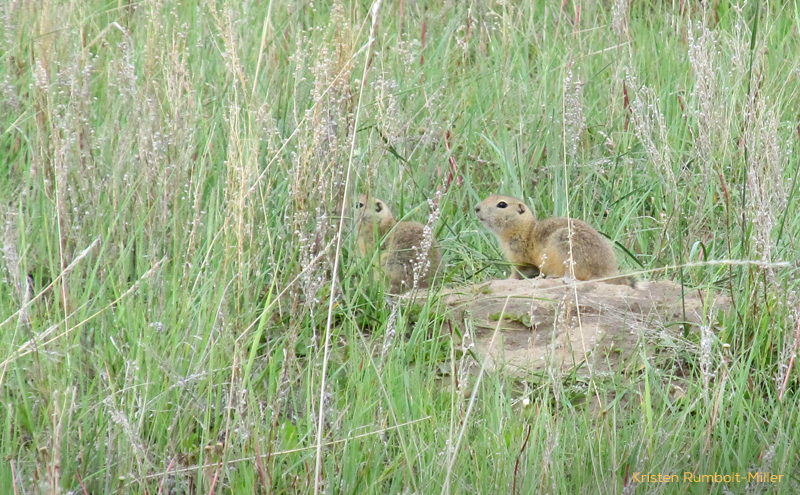
Ground squirrels have a distinct preference for short grass. When the vegetation is tall, they cannot see very far and are more vulnerable to being caught by a predator. This is one of the reasons they find mowed parks and roadsides so attractive.
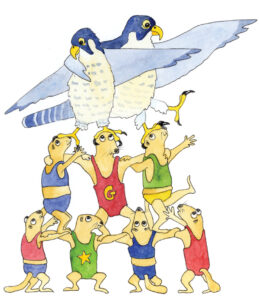
Richardson’s ground squirrels are a keystone species – meaning they are extremely important in the life cycle of other animals.
Richardson’s ground squirrels are a keystone species – meaning they are extremely important in the life cycle of other animals. Richardson’s Ground Squirrels are an essential part of the prairie ecosystem. This keystone species is the main food source for many prairie predators, including Species at Risk such as the Ferruginous Hawk, Prairie Falcon, Burrowing Owl and Swift Fox. In addition, their burrows provide shelter and nest sites for Prairie Rattlesnakes, Burrowing Owls, Tiger Salamanders, invertebrates and other prairie wildlife.
Richardson’s Ground Squirrels are not considered to be at risk, but because they support many prairie species, a healthy population of squirrels is critical to the survival of Species at Risk. The abundance of some predators, such as Ferruginous Hawks, is closely tied to the availability of ground squirrels.
There have been no comprehensive population studies in Alberta, but like many rodents, their numbers cycle up and down. When numbers are high in an area, this attracts predators, which in turn can cause a local population decline.
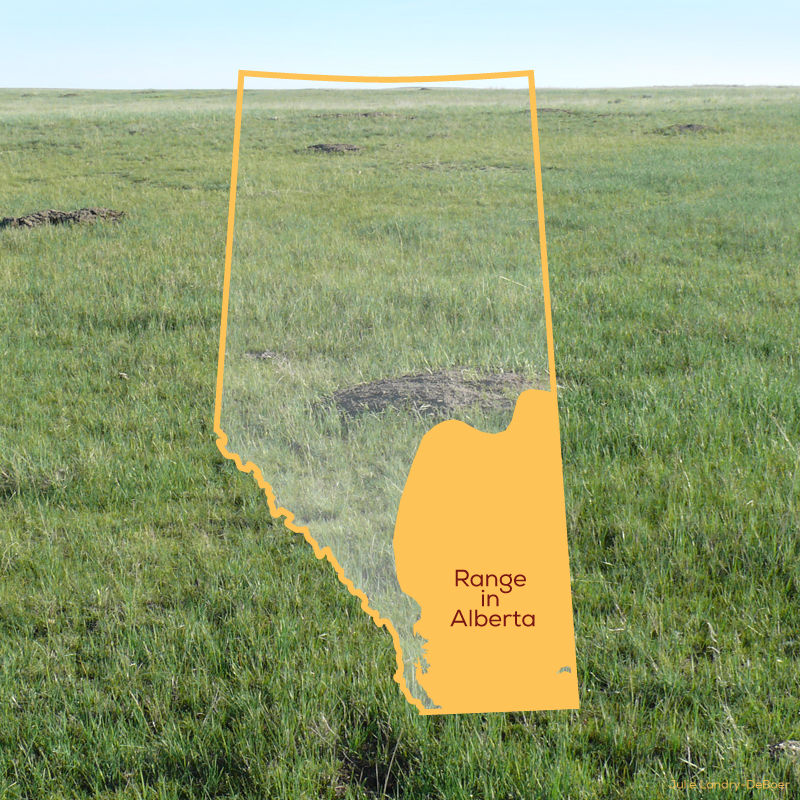
Since 2003, population trend surveys have been conducted in southern Alberta. Results from sites near Lethbridge, Brooks and Medicine Hat show wide fluctuations from year to year, ranging from one squirrel per square kilometer to 20 /km2, with an average of 10.4 squirrels/km2.
Test your knowledge about Alberta’s grassland species at risk
© 2026 Multisar. All Rights Reserved